

Part I. Beyond Celebrity
Reading recent discussions of Jupiter in Leo, I find myself somewhat dissatisfied with delineations that reduce the symbolism to celebrity, attention, self-expression, confidence, visibility, performance, leadership, creativity, charisma, fame, influence, recognition, personal branding, and being “seen.”
None of these keywords are wrong. Leo is indeed associated with prominence, distinction, honor, and the center stage. Yet such interpretations seem incomplete. They describe the appearance of Jupiter in Leo without fully explaining its historical manifestations.
The difficulty becomes apparent when examining the lives of philosophers, theologians, reformers, and intellectuals whose influence had little to do with celebrity in the modern sense. Why should Jupiter in Leo appear repeatedly among figures who devoted themselves to religion, metaphysics, political theory, education, or moral philosophy? Why should it appear in the charts of individuals whose primary concern was not personal recognition, but the articulation of systems of belief capable of organizing entire societies?
The answer, I believe, lies deeper than celebrity.
Part II. Jupiter in Leo and the Official Creed
Jupiter in Leo is better understood as the elevation of a belief system, philosophy, religion, or moral vision to a position of public authority and cultural legitimacy.
Jupiter signifies religion, theology, philosophy, law, ethics, and systems of meaning. Leo signifies rulership, prestige, sovereignty, honor, and the institutions that occupy the symbolic center of society. The combination therefore points toward what might be called the official creed of a civilization: the beliefs that receive endorsement, protection, recognition, or patronage from governing authority.
This interpretation is supported by the previous USA Jupiter-in-Leo Ascendant distribution from 9-Nov-1952 through 17-Apr-1960, during which religion moved visibly closer to the center of American public life. The period witnessed the Knights of Columbus campaign for the inclusion of “Under God” in the Pledge of Allegiance, the addition of those words on 14-Jun-1954, the adoption of “In God We Trust” as the national motto on 30-Jul-1956, the appearance of the motto on paper currency beginning in 1957, historically high levels of church membership, and the growing prominence of religious figures such as Billy Graham, Fulton Sheen, and Norman Vincent Peale. Collectively, these developments illustrate Jupiter in Leo not simply as private faith, but as religion receiving public legitimacy and symbolic endorsement from the institutions of the state.
In the Regulus USA National Horoscope, Leo is the 9th house, naturally concentrating the symbolism upon religion, God, theology, higher learning, and philosophy. As a result, state-supported religion becomes the most visible American manifestation of Jupiter in Leo.
Yet religion represents only one expression of the broader principle.
Throughout history, Jupiter in Leo has also appeared among individuals who elevated philosophy, political theory, humanism, nationalism, metaphysics, or social ideology into frameworks capable of shaping entire cultures. The common thread is not religion itself. Rather, it is the elevation of a system of meaning into a position of public importance.
Jupiter in Leo asks a simple question: What does a civilization regard as true, noble, worthy, and legitimate?
The answer may be found in a church, a university, a political movement, a philosophical school, or a national mythology. The form changes. The underlying symbolism remains remarkably consistent.
Part III. Jupiter in Leo in the Natal Database
As I expand the natal database over the coming year, Jupiter-in-Leo figures will provide an opportunity to examine the many ways this symbolism manifests in practice. The examples below suggest that Jupiter in Leo is less concerned with celebrity than with the creation, defense, transmission, or institutionalization of systems of belief.
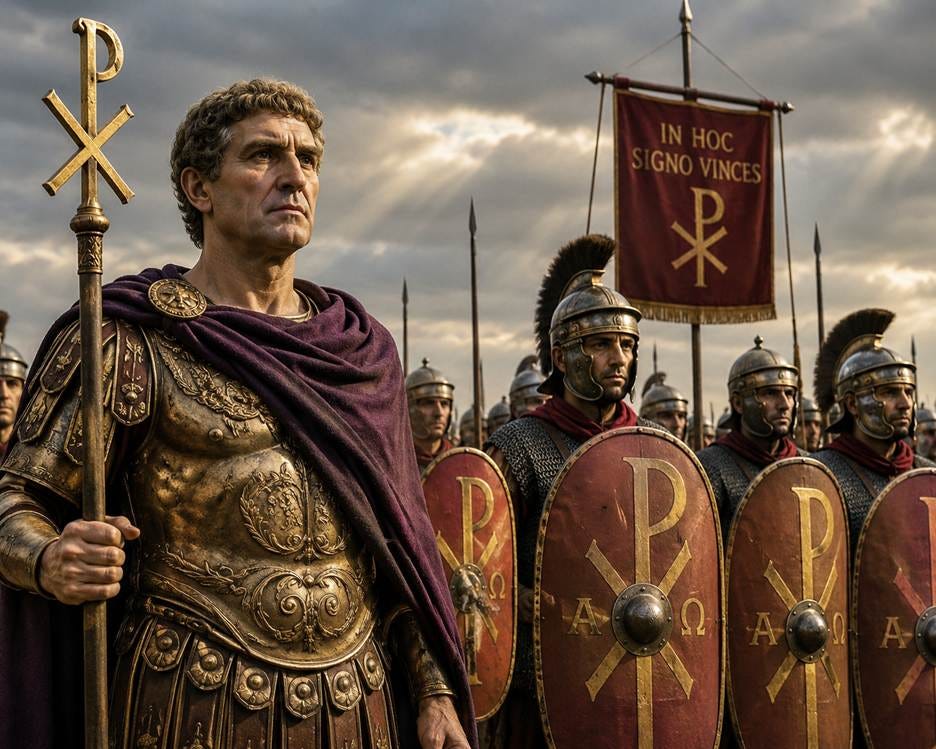
Constantine the Great (c. 272–337)
Constantine transformed Christianity from a persecuted minority religion into an institution favored by imperial authority. Through the Edict of Milan, imperial patronage of the Church, and the convening of the First Council of Nicaea, he helped elevate Christian doctrine into the official creed of the Roman world, establishing a model of religious legitimacy that would shape both Europe and the Near East for centuries.
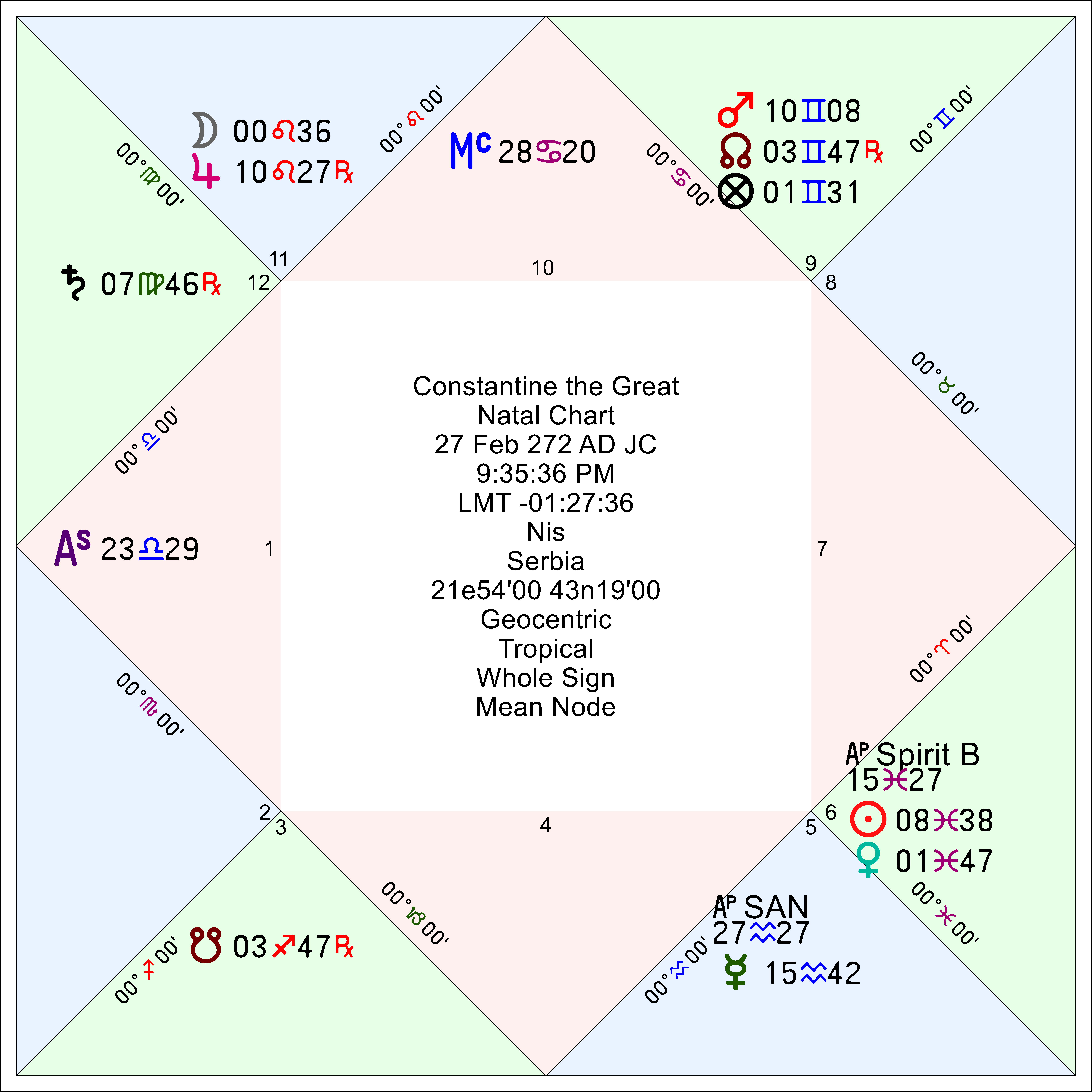
Augustine of Hippo (354–430)
Augustine provided Christianity with one of its most influential philosophical frameworks. His synthesis of theology, history, politics, and ethics helped transform Christianity from a persecuted religion into the intellectual foundation of Western civilization for more than a millennium.
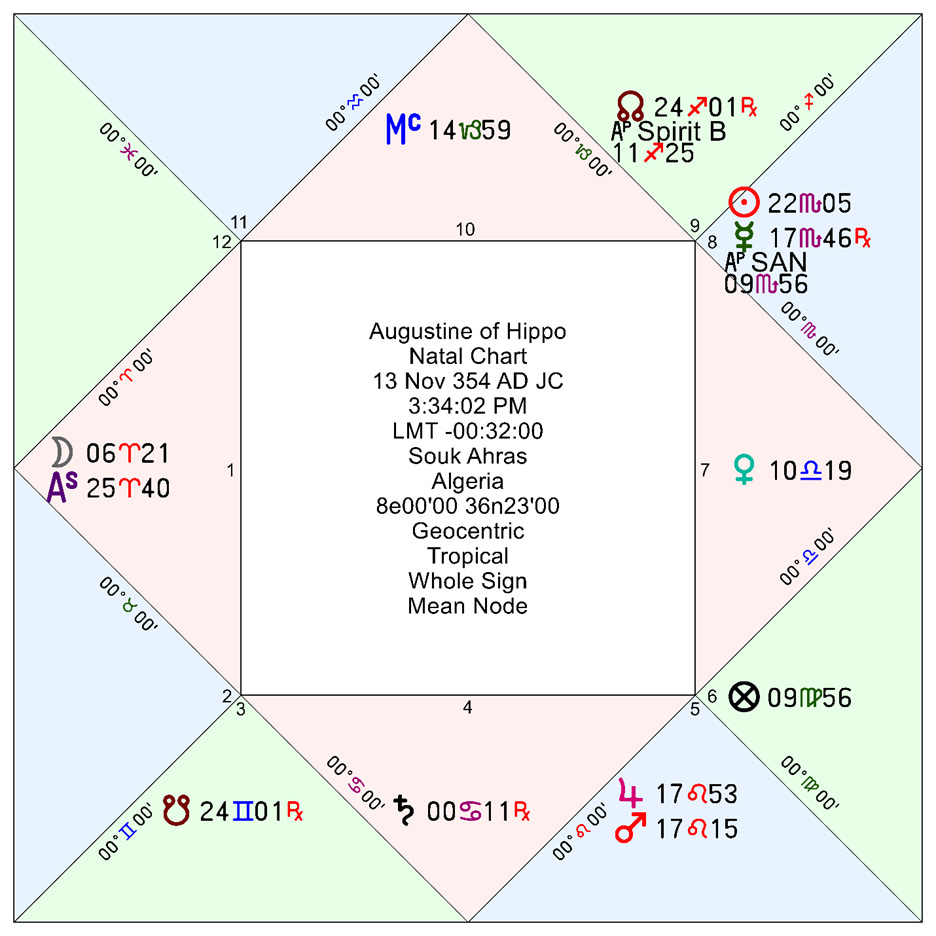
Marsilio Ficino (1433–1499)
Ficino revived Platonic philosophy during the Renaissance and helped establish it as a dominant intellectual force among Europe’s cultural elite. Through his translations and commentaries, ancient metaphysical ideas regained public prestige and institutional influence.

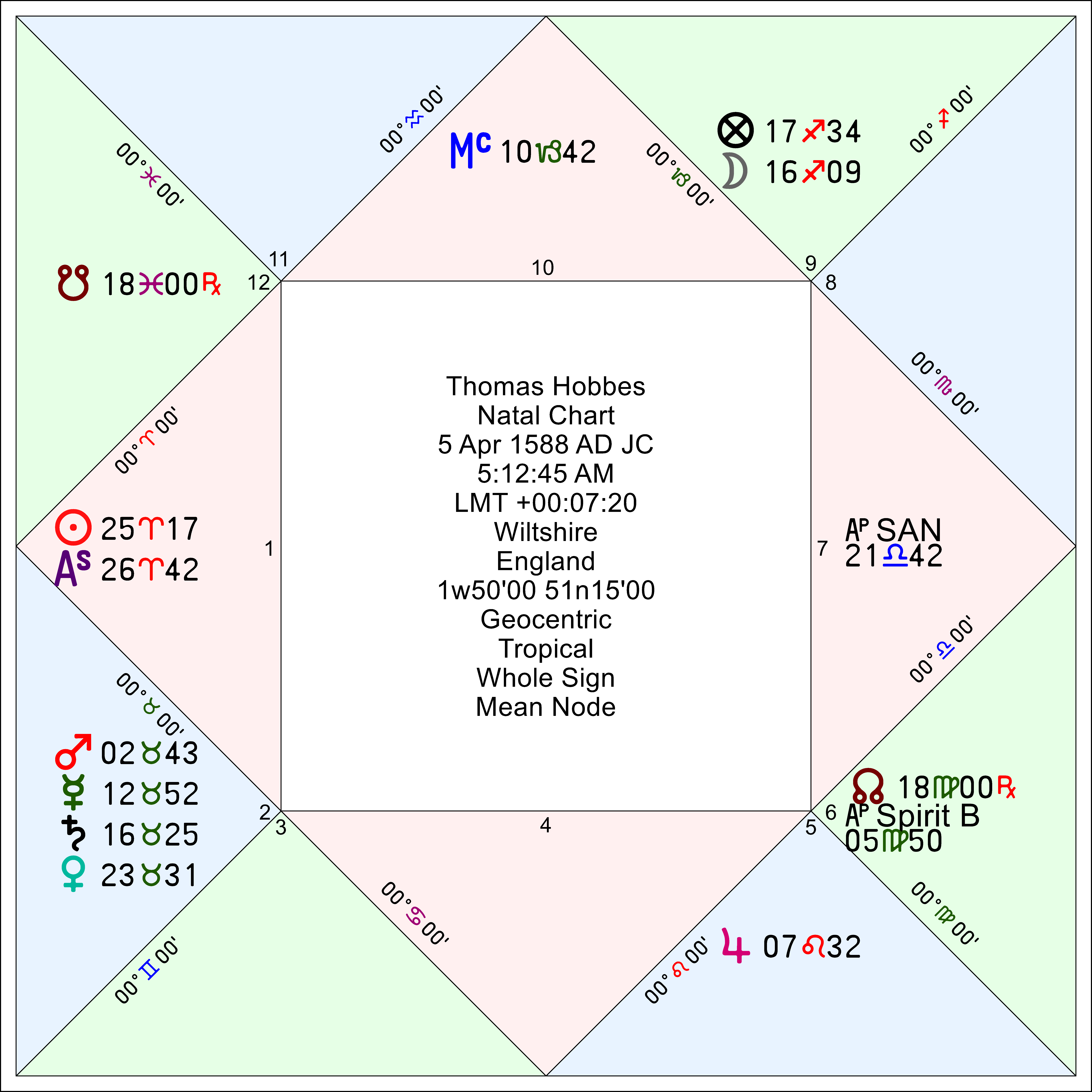
Thomas Hobbes (1588–1679)
Hobbes elevated political order to the status of a civilizational necessity. In Leviathan, sovereignty itself became the organizing principle through which society achieved legitimacy, security, and protection from chaos.
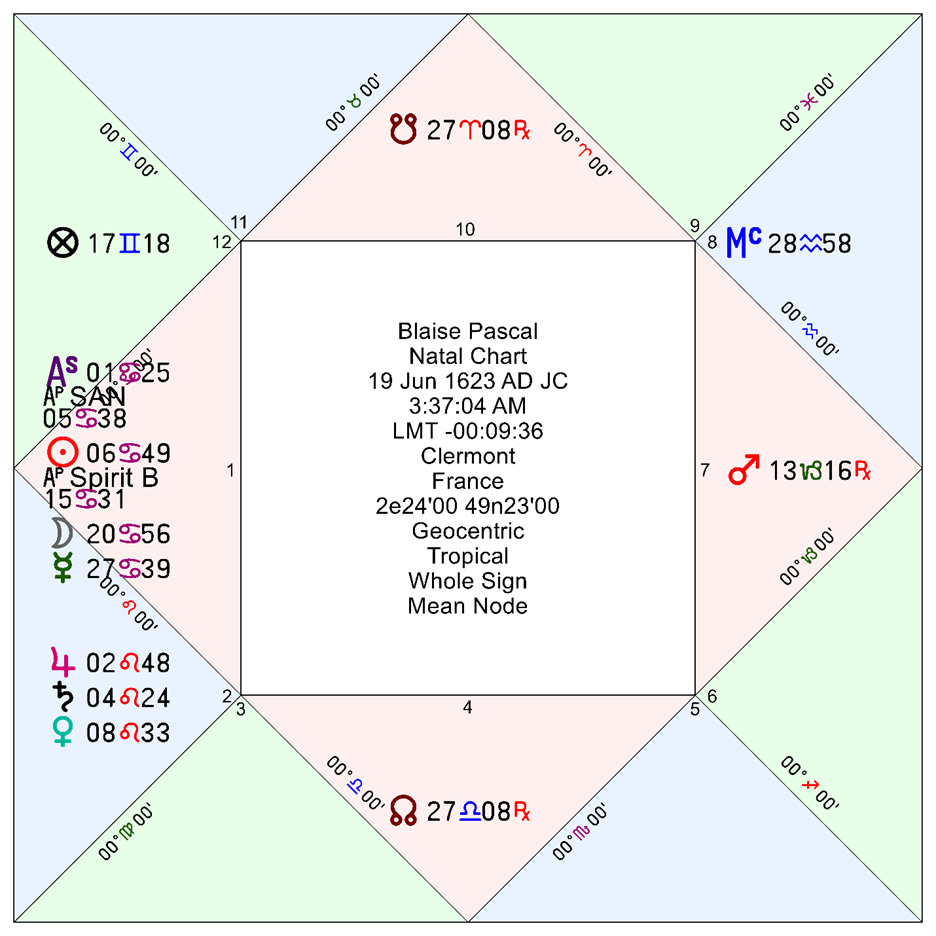
Blaise Pascal (1623–1662)
Pascal combined mathematics, philosophy, and theology in defense of Christian belief. His writings sought to demonstrate that religious truth occupied a higher and more complete level of understanding than reason alone could attain.
Voltaire (1694–1778)
Voltaire challenged the religious orthodoxy of eighteenth-century France while promoting reason, tolerance, and Enlightenment values. Although remembered as a critic of Christianity, his deeper project was the replacement of one publicly authoritative worldview with another rooted in rational inquiry and intellectual liberty.

Søren Kierkegaard (1813–1855)
Kierkegaard opposed the comfortable institutional Christianity of his era and sought to restore authentic religious commitment. His work transformed Christian faith from a social convention into a profound philosophical and existential challenge.

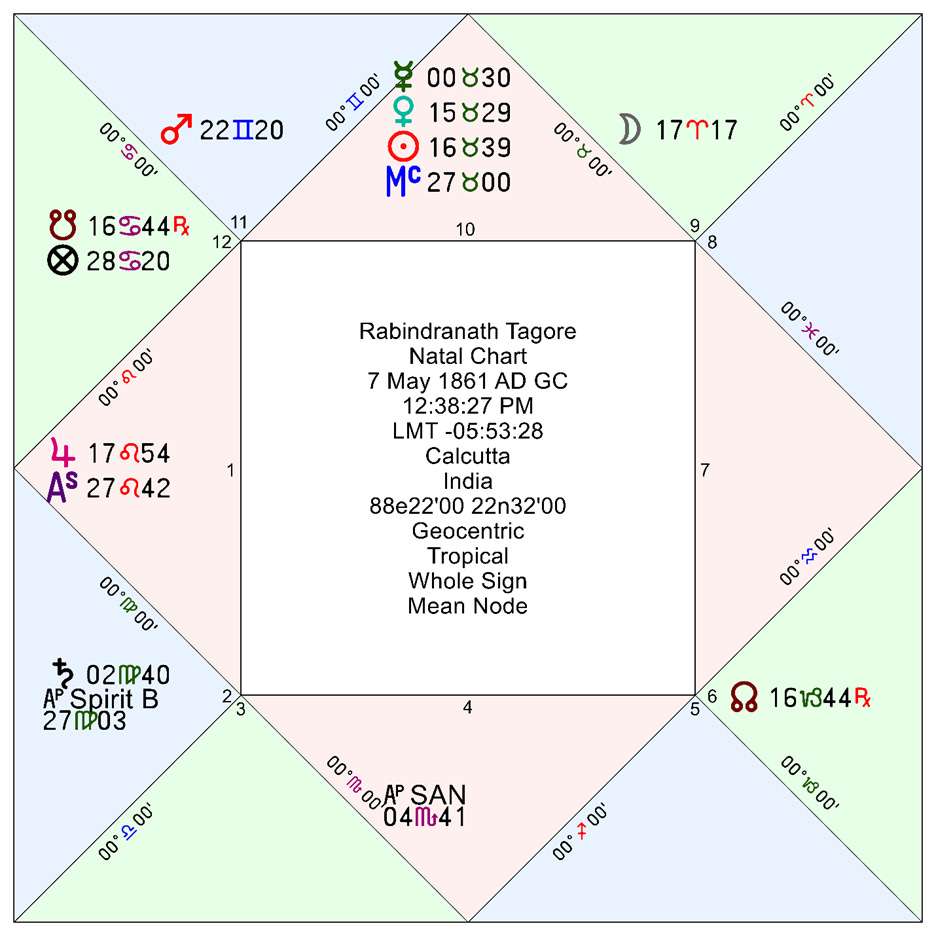
Rabindranath Tagore (1861–1941)
Tagore united spirituality, education, literature, and national culture into a broad humanistic philosophy. His work sought to define a moral and intellectual foundation for modern India without merely replicating Western models of civilization.
Rudolf Steiner (1861–1925)
Steiner constructed Anthroposophy as an integrated spiritual worldview encompassing education, medicine, agriculture, architecture, and religion. His influence persists today through institutions specifically designed to embody and transmit that vision.

Alfred North Whitehead (1861–1947)
Whitehead developed process philosophy as a comprehensive metaphysical system capable of explaining reality, science, religion, and human experience. His work extended well beyond academic philosophy and influenced generations of theologians and cultural theorists.

György Lukács (1885–1971)
Lukács treated Marxism not merely as economics but as a comprehensive theory of history, society, and human consciousness. His writings contributed to the intellectual foundations of twentieth-century ideological movements and political systems.

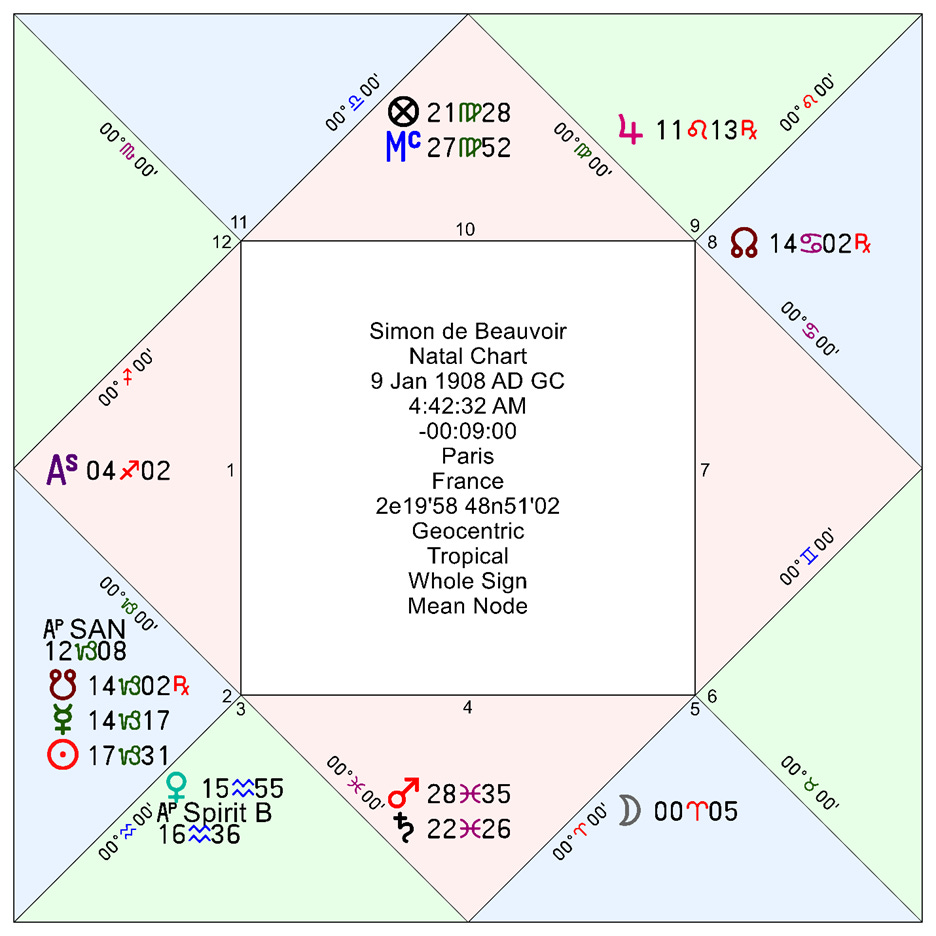
Simone de Beauvoir (1908–1986)
De Beauvoir helped establish existentialism and modern feminism as intellectual movements with lasting cultural authority. Her writings extended beyond personal philosophy into a comprehensive critique of social institutions and inherited assumptions.
Whether expressed through Christianity, Enlightenment rationalism, existentialism, Marxism, Neoplatonism, Anthroposophy, process philosophy, or humanistic spirituality, the recurring theme remains remarkably consistent.
Jupiter in Leo repeatedly appears among individuals concerned with defining the beliefs that occupy the symbolic center of society.
The issue is not fame. The issue is legitimacy.